Revealing the Recovery Approaches of Functional Medicine and Holistic Medicine for Optimum Well-being
The exploration of functional and holistic medicine discloses distinctive yet linked pathways to health and wellness (Holistic Medicine). Functional medicine seeks to reveal the underlying root causes of disorders, while alternative medicine embraces a wider point of view of wellness that includes psychological and spiritual dimensions. Together, these methods provide a framework for people to organize their health and wellness journeys. This discussion will certainly highlight the principles, practices, and differences between these methods, inviting additional factor to consider of their mixed capacity
Recognizing Functional Medicine: Principles and Practices
Functional medicine represents a standard shift in healthcare, stressing a patient-centered technique that looks for to address the origin and recognize root cause of illness. This model incorporates clinical research with scientific experience, watching clients as special people rather than plain signs and symptoms of a condition. Professionals of functional medicine utilize a systems biology viewpoint, checking out the interactions in between hereditary, environmental, and way of life elements that add to health end results.
Secret concepts consist of individualized therapy strategies customized to the individual's specific demands, cultivating a collaborative partnership in between patient and specialist. Functional medicine also prioritizes preventative care, concentrating on lifestyle alterations, nourishment, and stress and anxiety monitoring to support total wellness. This approach encourages patients to take an active function in their wellness, resulting in improved outcomes and a deeper understanding of their problems. Eventually, useful medicine aims to restore equilibrium and promote wellness, changing the health care experience right into one of empowerment and all natural recovery.

The Holistic Medicine Approach: Incorporating Mind, Body, and Spirit
While lots of healthcare strategies concentrate only on physical signs, all natural medicine highlights the interconnectedness of mind, body, and spirit in the pursuit of perfect well-being. This integrative method acknowledges that psychological and emotional elements considerably influence physical health, leading specialists to ponder the entire individual during therapy. Alternative medicine employs varied techniques, consisting of lifestyle, meditation, and nutrition adjustments, to cultivate balance and harmony within the individual.
Practitioners often engage patients in conversations concerning their psychological states, connections, and life experiences, recognizing that these elements can affect total health. By resolving underlying concerns and promoting self-awareness, all natural medicine aims to encourage individuals in their recovery trip. Functional Medicine. This paradigm change encourages a proactive method to wellness, advocating for safety nets and lifestyle changes instead of just treating symptoms. Ultimately, holistic medicine seeks to grow a much deeper link between mind, body, and spirit, facilitating comprehensive wellbeing and personal growth

Secret Differences In Between Functional and Holistic Medicine
Although both functional and holistic medicine prioritize extensive client treatment, they vary markedly in their methodologies and philosophies. Functional medicine stresses a systems-oriented approach, concentrating on identifying and treating the underlying sources of conditions. Practitioners usually make use of sophisticated diagnostic screening and personalized treatment plans, which may consist of lifestyle adjustments, supplements, and medicines to bring back equilibrium within the body's systems.
On the other hand, holistic medicine takes on a wider perspective, taking into consideration the emotional, spiritual, and environmental factors influencing a patient's health. It looks for to advertise total wellbeing through a mix of alternate therapies, such as yoga, acupuncture, and reflection, alongside traditional therapies.
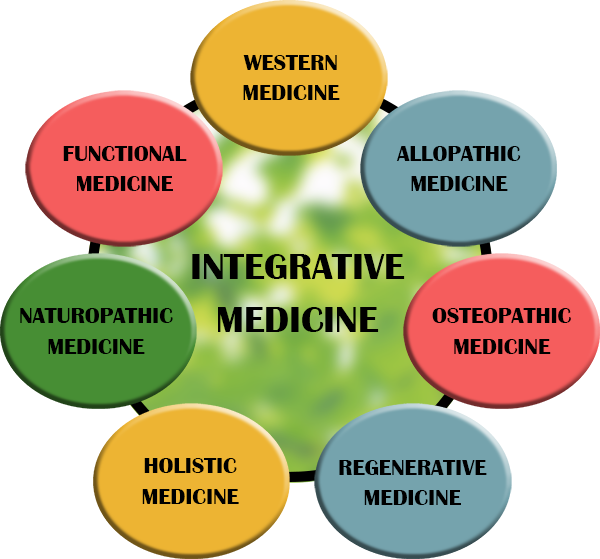
Common Conditions Dealt With by Functional and Holistic Medicine
Numerous patients seek both functional and holistic medicine for a range of common health and wellness problems. These approaches are often utilized to deal with chronic health problems such as diabetic issues, hypertension, and autoimmune problems (Learn More). Functional medicine concentrates on recognizing underlying causes via extensive assessments, while holistic medicine stresses the interconnectedness of the body, mind, and spirit
Mental health and wellness issues, including stress and anxiety and anxiety, are additionally frequently dealt with within these structures, as they take into consideration psychological and psychological aspects alongside physical signs and symptoms. In addition, digestive system conditions like cranky bowel syndrome (IBS) and food sensitivities prevail issues, with both techniques advocating for dietary adjustments and way of life adjustments.
Clients may also turn to these modalities for problems such as fatigue syndrome and fibromyalgia, where standard treatments may fail. By incorporating different healing techniques, useful and all natural medicine purpose to promote overall health and improve quality of life for those affected.
Exactly how to Select the Right Approach for Your Wellness Journey
Just how does one determine the most suitable wellness strategy in the middle of the myriad of options readily available? The choice between functional and holistic medicine needs cautious consideration of private needs and preferences. One ought to assess their health goals, whether they seek signs and symptom alleviation or a deeper understanding of underlying problems. Next off, reviewing one's case history and existing conditions can supply clarity on which technique may be most advantageous.
Consultation with healthcare professionals experienced in both fields can use beneficial insights. Comprehending the principles of each technique-- practical medicine's emphasis on organic systems and all natural medicine's focus on the entire person-- can aid in making an informed option. In addition, considering personal worths and comfort with therapy techniques, such as dietary modifications or alternative treatments, is essential. Eventually, a customized approach that lines up with one's lifestyle and ideas will certainly promote an extra effective health journey.
Regularly Asked Inquiries
Are Functional and Holistic Medicine Covered by Insurance Plans?
Insurance policy coverage for holistic and useful medicine differs significantly by plan and company - Learn More. Some insurance provider might offer partial reimbursement, while others do not cover these alternate methods in any way, needing out-of-pocket repayments from clients
How Much Time Does Therapy Typically Take in These Techniques?
Therapy duration in alternative and functional medicine varies commonly, frequently ranging from a few weeks to a number of months. Aspects influencing this consist of private health and wellness problems, therapy strategies, and the person's commitment to way of living adjustments.
Can I Integrate Functional and Holistic Medicine With Conventional Treatments?
Yes, people can combine all natural and useful medicine with standard treatments. This integrative technique might enhance general health, however seeking advice from doctor is important to ensure safety and security and effectiveness in managing therapy strategies.
What Certifications Should Experts of These Techniques Have?
Specialists of all natural and practical medicine should have pertinent degrees in medicine or health and wellness sciences, along with specialized training in their particular areas - Learn More. Qualifications from acknowledged organizations enhance integrity and guarantee adherence to developed requirements try this web-site of treatment
Are There Certain Diet Regimens Advised in Functional or Holistic Medicine?

In all natural and practical medicine, details diet regimens frequently consist of whole foods, plant-based alternatives, and removal diets tailored to specific needs. Emphasis rests on nutrient density and staying clear of processed foods to boost total health and wellness.
Functional medicine looks for to reveal the underlying causes of disorders, while alternative medicine welcomes a bigger point of view of health that includes psychological and spiritual dimensions. While functional medicine is more scientifically oriented, stressing organic processes, alternative medicine stresses the interconnectedness of different life elements. Many patients look for both all natural and functional medicine for a range of typical wellness conditions. Recognizing the principles of each technique-- practical medicine's focus on organic systems and holistic medicine's focus on the entire individual-- can assist in making an informed selection. Practitioners of all natural and practical medicine need to have appropriate degrees in medicine or health and wellness scientific researches, alongside specialized training in their particular areas.